
How Australian Businesses Can Build a Long‑Term Workforce Strategy During Skills Shortages
Connect skills development, recruitment and business priorities in a practical plan for building capability over the long term.
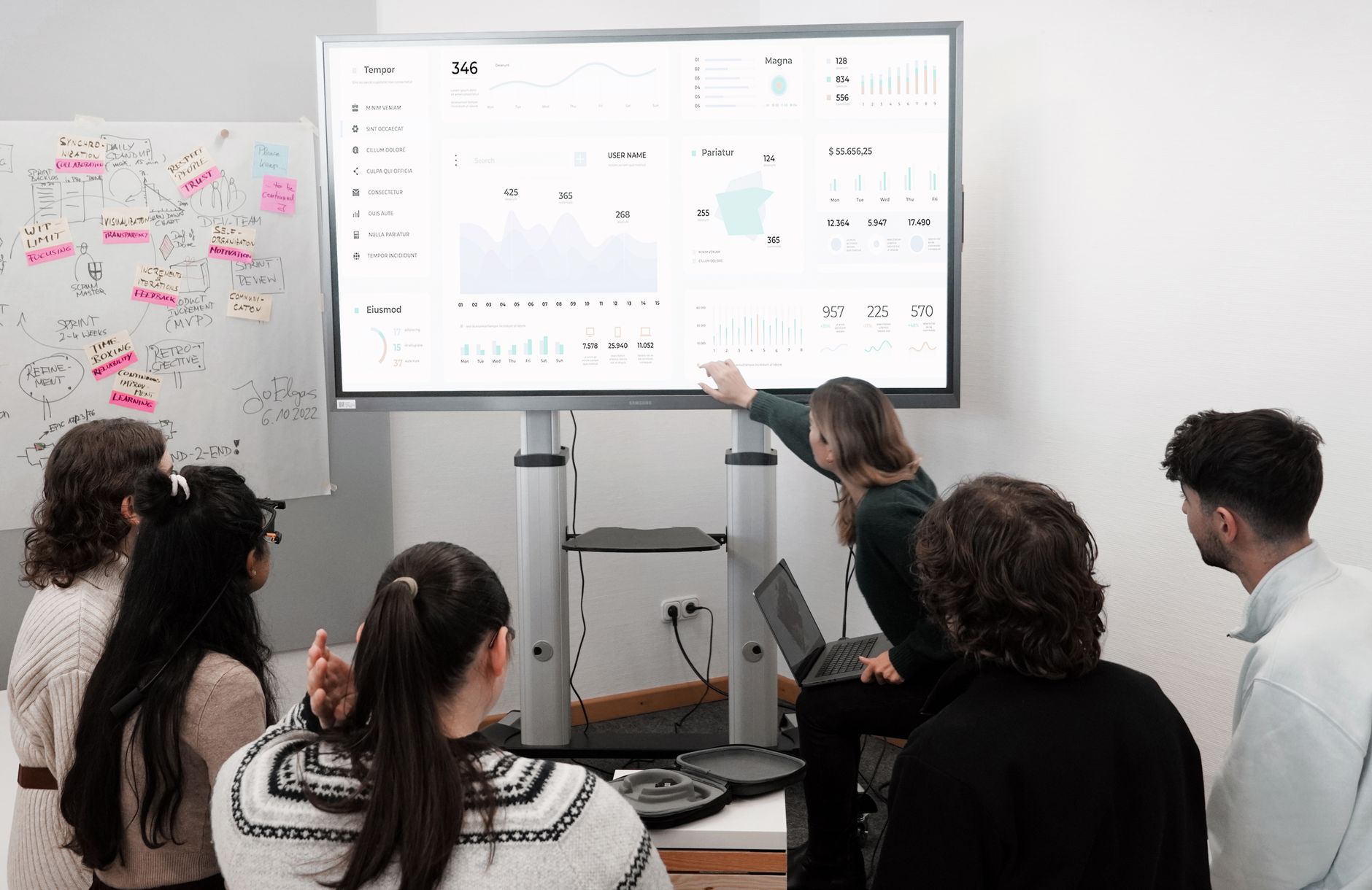
A long-term workforce strategy helps Australian businesses respond to skills shortages by connecting hiring, employee development and future capability needs to business priorities. It gives HR, project and operational leaders a shared basis for deciding which skills to build, recruit or access through external partners.
What should a workforce strategy cover?

Skills gaps can affect growth, productivity and operating costs, particularly when a hard-to-fill role is essential to a project or service. Planning ahead cannot remove every constraint, but it helps a business identify capability needs earlier, coordinate its response and avoid treating each vacancy as an isolated problem.
“Make learning part of the work, not a separate promise.”
Start with the organisation’s goals: upcoming projects, changes to products or services, planned expansion, and new technology or processes. For each priority, ask what work needs to be done, which capabilities it requires and whether those capabilities already exist in the team. This connects workforce decisions to the work they are intended to support.
A useful plan considers more than recruitment. It can combine development for current employees, succession planning, flexible role design, external recruitment and partnerships with education or industry organisations. The right mix depends on the work, the skills involved and how much time is available to build capability. Clarify ownership: HR can coordinate planning, operational managers can define requirements, and senior leaders can confirm priorities and trade-offs.
Map capability gaps before they become vacancies

Begin with a skills gap analysis: compare the capabilities available in the workforce with those needed to deliver business plans. Role profiles, project plans, manager input, employee records and conversations with teams can help build an initial picture without requiring a complex system.
Consider both current and future requirements. A role may be filled today but depend on knowledge held by one employee, or on a capability that will be needed more often as a project develops. Another shortage may appear urgent but have little effect on upcoming work. Distinguishing critical gaps from lower-priority needs helps direct recruitment and training effort.
For each gap, record the work affected, the capability required, the people or roles involved and possible responses. These might include training an existing employee, redesigning tasks, recruiting, using a contractor or engaging an external partner. Note dependencies too: a new process or system may need to be in place before employees can use a skill effectively.
Check the analysis against day-to-day work rather than relying only on job titles. Employees may already use relevant skills outside their formal roles, while a role description may not reflect new tasks. Conversations with staff can surface experience, development interests and areas where support is needed. Review the analysis annually and when business priorities or project requirements change. For more ways to respond to capability gaps, see GWS’s guide to addressing workforce gaps.
Develop skills and keep knowledge in the business

Developing people already in the organisation can complement external recruitment and prepare employees for changing work. Match the learning activity to a defined gap: a course or qualification may suit one need, while mentoring, supervised practice or a cross-functional assignment may be more useful for another.
Build development into work where practical. A stretch assignment lets an employee practise a new skill while contributing to a real project, provided expectations and support are clear. Mentoring can transfer experience between colleagues, and job shadowing can introduce staff to other tasks or roles. These approaches do not replace formal training or assessment required for the work.
Set a clear outcome before learning begins. Agree what the employee should be able to do afterwards and how a manager will assess or observe that capability. Follow up, provide opportunities to practise and adjust the plan if the skill is not being applied. This helps employers judge whether learning is relevant to the work, rather than measuring participation alone.
Succession planning can prepare for gaps in leadership or roles that rely on important organisational knowledge. Identify positions where a departure or change could disrupt delivery, then consider potential internal successors and the experience they need. Workshops, mentoring and stretch assignments can help build readiness. Review plans as business needs and employees’ interests change, and use cross-functional projects to broaden experience.
A learning culture needs practical opportunities, recognition and access to development—not just statements that training is valued. Employees also need time and support to apply new skills. Connecting development plans to real work makes it clearer how learning supports both an employee’s growth and the capabilities the business needs.
“A vacancy is one symptom; the workforce plan should address the capability need behind it.”Key insight · Global Workforce Solutions
Combine internal capability with external recruitment

When a required skill is not available internally, recruitment or an external partnership may be part of the response. Start with a precise brief that describes the work, essential capabilities, working arrangements and what success looks like. Separate essential requirements from preferences so the search does not rule out candidates who could meet the need with appropriate onboarding or development.
Recruitment firms can help businesses reach candidates and manage parts of the hiring process. Before a search begins, agree the role requirements, communication responsibilities and how candidate fit will be assessed. A partner should understand the work and the employer’s expectations; managers still need to make informed selection and onboarding decisions. GWS outlines considerations in its article on the benefits and challenges of international recruitment.
Where local hiring does not meet a documented need, employers can consider a broader talent pool, including international recruitment, while assessing suitability and the requirements relevant to their situation. Overseas recruitment is not an automatic or immediate fix. Plan for candidate assessment, clear communication, onboarding and the support a new employee needs to contribute effectively.
Partnerships with universities, vocational providers and industry organisations can connect learning with employer needs. Businesses might share insight on role requirements, support placements or apprenticeships, or explore training aligned with their priorities. Define what each party will contribute and how the arrangement will be reviewed. For Filipino talent, GWS’s guide to building a skilled workforce with Filipino talent provides further context; assess the requirements and support needed for the specific role and arrangement.
Flexible workforce models can help match people and work, but they should be designed around the role. Consider whether work is ongoing or project-based, what collaboration it requires and how knowledge will be retained. Full-time, part-time and contract arrangements each have practical considerations, so assess the work and applicable obligations rather than choosing a model simply because it appears more flexible.
Plan for technology, transformation and distributed teams
Business transformation can change which capabilities matter. Digital projects, new processes, market expansion and product changes may require skills not reflected in current role descriptions. Bring workforce planning into project discussions early enough to identify the capabilities required, when they will be needed and whether the team can develop or recruit them.
Scenario planning helps leaders consider how workforce needs might differ under possible business or technology changes. Describe plausible futures, map the capabilities each would require and compare them with skills currently available. The aim is not to predict exactly what will happen, but to identify decisions that are useful across scenarios and where the business needs options.
Technology can support this work when it solves a defined information problem. A talent management system may bring employee records or skills information together; a learning management system can organise learning pathways and record progress. Before investing, decide what information leaders need, who will maintain it and how it will inform decisions. Data is useful only when it is current and interpreted in context.
Automated recruitment or AI-supported matching tools may help organise candidate information, but they do not replace a clear role brief or careful human assessment. Understand how a tool is used, check that it supports the selection criteria and retain appropriate oversight of hiring decisions. A system’s ranking is not a complete measure of a candidate’s suitability.
Remote and hybrid work can widen the locations from which a business considers candidates when the role can be performed that way. Include digital collaboration, communication and self-management in role expectations when they genuinely matter. Provide suitable tools and learning support, and agree how managers will maintain communication, team connection and access to development across locations.
Make the workplace a credible choice for talent
Employer brand is shaped by the experience employees and candidates encounter, not only by recruitment messaging. Explain the role, team culture, working arrangements and development opportunities honestly. Make sure career-page content, job advertisements and candidate conversations reflect what the organisation can actually offer.
With employees’ agreement, share examples of people who have taken on new responsibilities, developed capabilities or progressed into other roles. Focus on the learning and support involved rather than presenting one person’s experience as a guaranteed pathway for everyone. These stories can show how development works in practice and help candidates understand the workplace.
Retention belongs in workforce planning because gaps can arise when experienced staff leave as well as when a business grows. Managers can discuss workload, development, recognition and barriers to doing good work. Use employee feedback to consider whether changes to role design, support or learning would help. One retention measure will not suit every team or individual.
Review what is working and adjust the plan
Choose measures that connect workforce activity with business needs. Indicators may include time-to-fill for critical roles, progress against agreed skill-development goals, retention in key roles and the cost or return associated with training. Define each measure clearly and use a consistent method so leaders can interpret changes in context.
Pair those indicators with qualitative feedback. Ask employees whether learning opportunities are accessible and relevant, and ask managers whether new capabilities are being applied or further support is needed. Pulse surveys and focus groups can help explain issues that workforce data alone may not reveal.
Review the workforce strategy on a regular cycle—quarterly, semi-annually or annually—and when a major business change warrants it. Check which assumptions remain valid, which gaps have changed and whether recruitment, development or partnership activity produced the intended result. If a measure is not helping leaders make a decision, refine it.
Use each review to update priorities, owners and next actions. A training programme may need a clearer link to practical work; a recruitment brief may need to reflect a changed project requirement; or a flexible arrangement may need better communication. Recording decisions and responsibilities turns review into a working management process, not just a reporting exercise.
As a practical next step, select a critical role or project, map its capability needs and agree whether to build, recruit or access those skills through a partner. To prepare a workforce requirement or discuss a recruitment need, contact Global Workforce Solutions to talk through your brief and the capabilities your business is seeking.