
How GWS Screens Skilled Workers for Employer Interviews
A structured review of role requirements, qualifications and practical capability helps employers make interviews more focused and evidence-led.

Skilled worker screening helps Australian employers review a candidate’s trade capability, experience and relevant evidence before an employer interview. A clear process also helps hiring teams compare candidates against the actual role, rather than relying on general impressions or an unstructured résumé review.
Define evidence standards for skilled worker screening
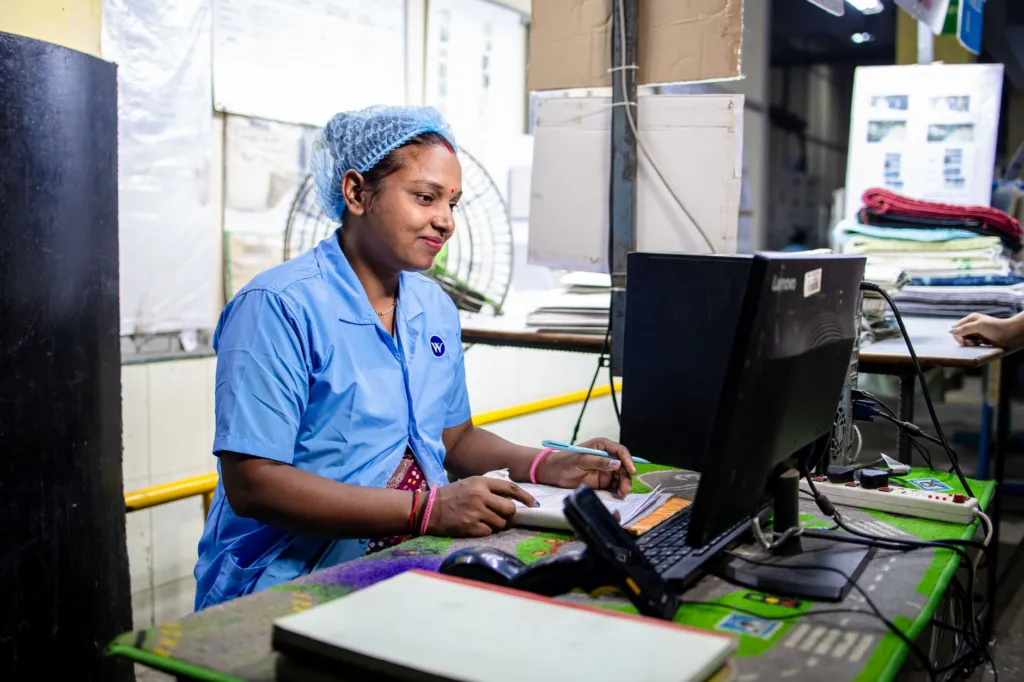
Screening gathers and assesses relevant evidence before an employer decides whom to interview. It does not replace the employer’s interview, site-specific checks or separate legal, licensing or immigration advice. Its purpose is to clarify what a candidate says they can do and what evidence supports that claim.
“Screen for evidence, then use the interview to explore the work.”
Evidence may include qualifications, trade training, work history, references and results from a job-related technical assessment. Global Workforce Solutions describes its selection process as including interviews, reference checks, qualification and experience verification, and technical skills assessments. The detail required will depend on the occupation, work environment and employer’s needs.
A certificate may establish that a person completed a course, but does not by itself show how they perform a task today. A reference offers context about past work, but cannot confirm every capability needed at a new site. The employer interview remains important for exploring role-specific judgement, communication and expectations.
Start by agreeing what the shortlist needs to establish. Does the hiring team need evidence of a particular trade task, equipment experience or familiarity with a specific work setting? Defining this early supports consistent comparisons and helps keep irrelevant preferences from replacing genuine job requirements.
Start with a precise, job-based brief

Screening quality depends on the brief. Before sourcing or reviewing candidates, explain the work to be done, the skills essential from the outset and the capabilities that can be developed after hiring. A broad title such as welder, electrician or operator may not be enough if the tasks, conditions and expected independence are unclear.
Build the brief around observable requirements. Describe the main duties, tools or equipment, materials and work environment. Identify required qualifications or licences and distinguish them from preferences. If equivalent experience may be considered, explain what evidence would make it relevant.
- Essential capability: What tasks must the person perform safely and competently?
- Evidence to review: Which certificates, work records, references or assessment results could support those capabilities?
- Work context: What conditions, team arrangements or communication demands should a candidate understand?
- Interview questions: Which points need direct follow-up by the employer?
Separate screening criteria from interview discussion points. A recruiter may confirm relevant experience, while the hiring manager explores how it relates to the employer’s procedures and project. This reduces repeated questions and makes the interview more useful.
A written brief gives the team a consistent basis for comparison. Employers addressing a difficult talent gap may also find useful context in GWS’s article on strategies for addressing skills shortages. Define the need before asking a recruiter to find a match.
Verify qualifications and work history

Check whether candidate information is relevant and can be supported. The aim is not simply to collect paperwork; it is to understand what a qualification covers, how previous duties relate to the vacancy and whether the work history gives a credible account of experience.
Review qualifications against the role brief, including the training area and any stated requirements. If a document is unclear, ask for clarification or supporting information rather than assume. Distinguish between holding a qualification and having recent practical experience using the associated skills.
Explore work history in enough detail to make comparisons meaningful. Consider responsibilities, project or workplace types, tools and equipment used, and the level of supervision. Relevant experience may not use the same job title as the Australian vacancy, so focus on tasks and evidence rather than title matching alone.
References can add context about duties, performance and reliability. Keep questions role-related, use a consistent approach and record what was confirmed. If information cannot be verified, note that for the employer to assess. A documentation gap is not proof that a candidate lacks a skill, but it should not be presented as verified evidence.
For international recruitment, qualification and experience checks are separate from decisions about work rights, licensing recognition or visa eligibility. These may involve different processes and current requirements. GWS’s FAQ on recruitment and candidate checks outlines the organisation’s stated selection and documentation support. Confirm legal, licensing or immigration questions through the appropriate authoritative channels.
“A good shortlist does not hide uncertainty; it makes the important questions easier to ask.”Key insight · Global Workforce Solutions
Use practical assessments that reflect the job

A technical assessment can help determine whether a candidate demonstrates skills relevant to the vacancy. It should reflect real requirements without becoming an unrelated test or an unfair demand for unpaid productive work. Explain the format in advance, including what will be evaluated and what instructions or materials candidates will receive.
Choose tasks that demonstrate the capability the employer needs. Depending on the role, an assessment might examine how a person interprets an instruction, selects tools, explains a work sequence or responds to a practical scenario. Someone who understands the role should design it, applying the same core criteria to candidates for the same vacancy.
Record observable evidence rather than relying on broad impressions. Assessors might note whether the candidate followed the stated sequence, identified a relevant risk, used appropriate terminology or explained a decision clearly. Indicators should come from the employer’s requirements, not be treated as a universal scorecard for every trade or workplace.
Keep the exercise proportionate. Screening should help determine whether someone is ready for an employer interview, not recreate a full shift or certify competence for every site condition. If a task raises a concern, document it and consider whether a follow-up question or different assessment would give a fairer picture.
The useful outcome is a concise account of what was tested, what the candidate demonstrated and what still needs discussion. That gives the interviewer a practical starting point without treating one assessment as a complete prediction of future performance.
Check communication, reliability and role expectations
Technical capability matters, but candidates also need to understand the opportunity. Screening conversations can confirm their understanding of the duties, work setting and expectations. This is a two-way check: candidates can ask questions, while the hiring team can identify anything that needs clarification before an interview or offer discussion.
Use job-related questions to explore how a candidate describes their experience, responds to unclear instructions and works with others. Do not treat personal style, accent or cultural assumptions as a proxy for competence. Focus on whether the person can communicate information needed for the role and whether clarification would help the employer assess that fairly.
Explore reliability through relevant evidence, such as work history and appropriate references, rather than vague character judgements. If availability, shifts or a specified work setting matter, explain the conditions plainly and ask consistent questions. Do not imply that a candidate has agreed to conditions that have not been discussed.
Give candidates a realistic outline of the next stage: who will conduct the interview, what role-specific areas may be discussed and whether documents or examples are expected. Clear information supports a focused conversation and helps both parties consider the match.
Context matters when recruiting internationally. GWS’s overview of hiring Filipino workers discusses the range of skills and experience employers may encounter. For an individual vacancy, selection should still be based on the person’s evidence against the brief, not assumptions about nationality or a broad talent pool.
Turn the shortlist into a focused interview
The handover from screening to employer interview should be concise, evidence-based and clear about what remains to be confirmed. A useful summary connects the candidate to the brief: relevant qualifications, comparable work, technical assessment observations, reference information and open questions. Distinguish verified details from information supplied by the candidate but not independently checked.
Before interviews, agree who will cover each topic. The employer may explore how a candidate approaches a particular task, while the recruiter provides context about checks already completed. Avoid repeating every screening question; use the interview to test fit with the employer’s work, explain the job and invite clarification.
A consistent interview guide can link questions to the screening criteria. Ask comparable core questions, allow relevant follow-up and keep notes tied to the job requirements. Interviews need not be identical, but each candidate should have a fair opportunity to address essential capabilities and expectations.
After the interview, provide timely, specific feedback to the recruitment team. Job-related reasons for not progressing a candidate can help clarify the brief and improve later matching. If proceeding, confirm next steps and outstanding checks without treating an interview decision as a guarantee of employment, licensing or a visa outcome.
The purpose of skilled worker screening is not to remove every uncertainty; it is to make the remaining questions clearer and more useful. Employers can improve the process with a practical brief, agreed evidence standards and a concise account of what has—and has not—been established. To discuss a role with Global Workforce Solutions, contact the team with the position details, essential skills and intended interview process.