
Optimize AI Operations, Don’t Redesign
Marco Perrott’s approach starts with the systems and workflows a business already has, then builds a shared framework for deployment and improvement.
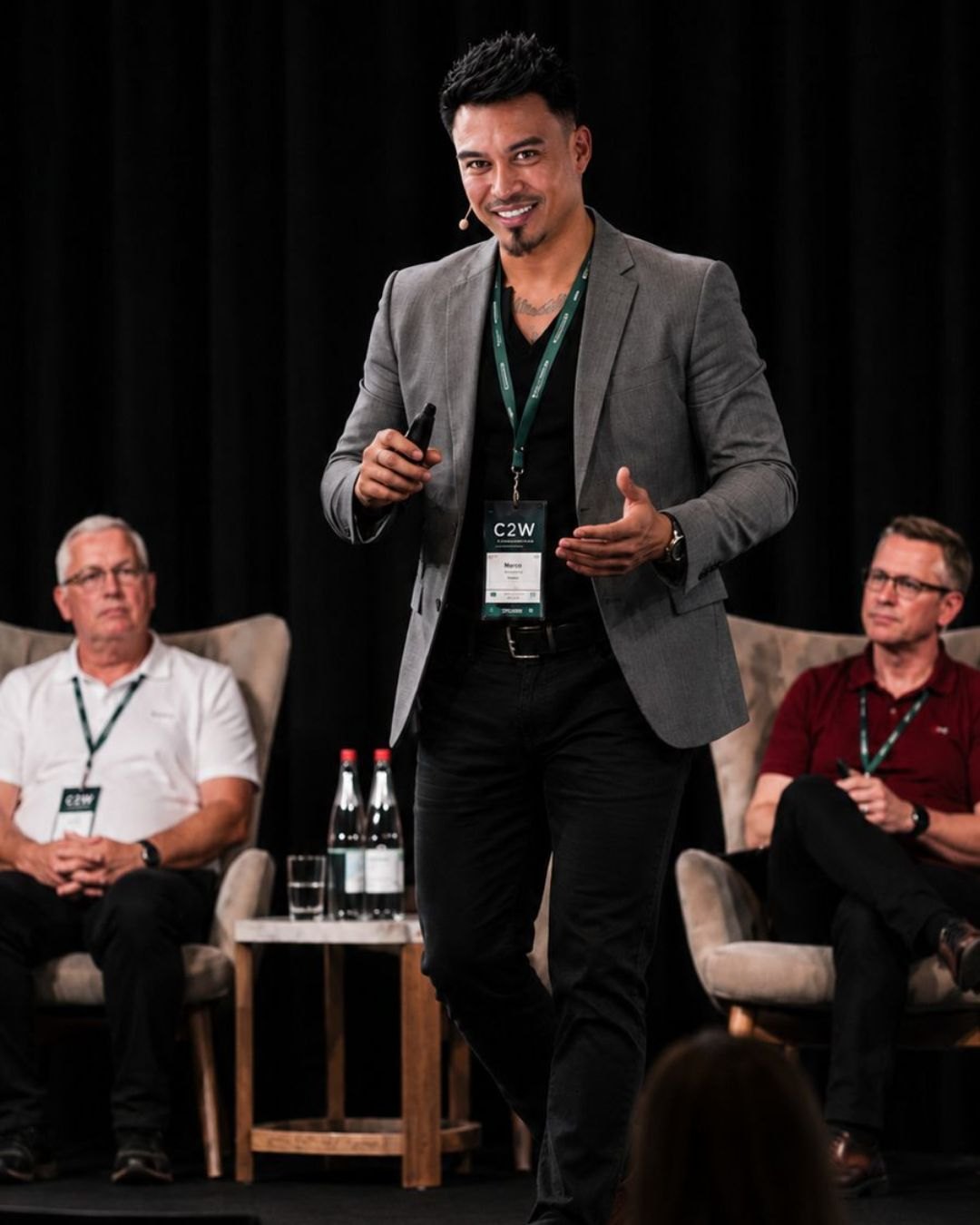
AI operations can be optimized by connecting technology to existing systems and workflows rather than redesigning the business around a new platform. LYRIQ CEO Marco Perrott’s approach is to understand how a company works, agree where people stay involved and deploy a shared framework that can be improved over time.
AI operations should start with the business, not software
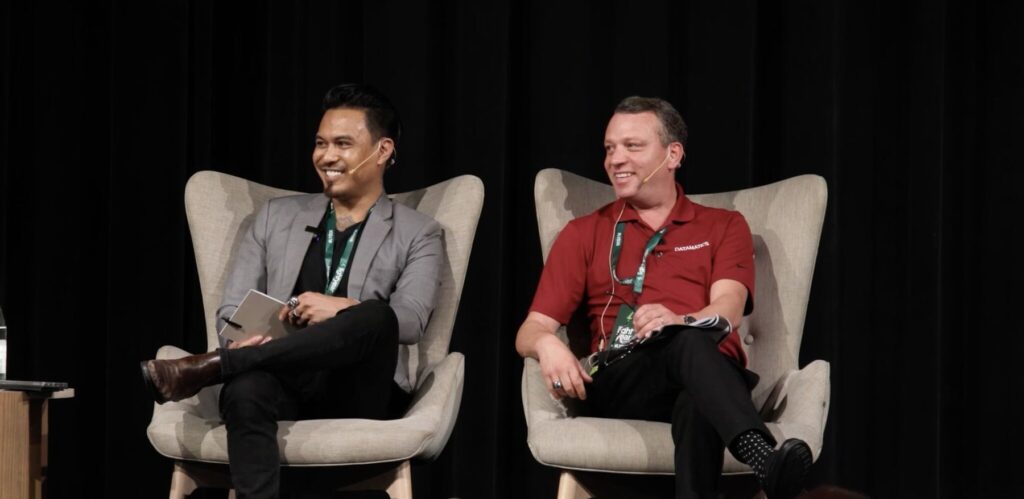
Perrott says he repeatedly saw large enterprises reach a familiar point: marketing had tried one AI tool, operations had chosen another and finance was running its own pilot. Each department might be acting reasonably, yet the organisation could end up with separate approaches and no shared way to manage them.
“Make the workflow visible before deciding what to automate.”
He does not describe this as failure, but as fragmentation. Without a common framework, teams may repeat discovery and implementation work instead of sharing what they learn. His proposed response is to coordinate the approach across departments while recognising that each team has different work to do.
That begins with listening rather than arriving with a predetermined tool. Perrott puts the vendor’s role this way: “Let us understand your business and we’ll bring the technology to you.” LYRIQ says it first learns the client’s technology stack and operational flow, then considers how AI might fit. For employers, that order helps keep the proposed solution connected to the work it is meant to support.
Perrott says LYRIQ asks each department what technology stack it needs, how its workflow operates and where human involvement is appropriate. Those questions provide a consistent discovery structure, even when the answers vary. Employers can use them to test whether a proposal reflects their requirements or simply leads with a product demonstration.
He also argues that solutions should be developed for industries rather than rebuilt from scratch for each client. That is his view on software development, not a guarantee that one configuration will suit every organisation. Buyers still need to assess whether a framework can accommodate their systems, workflows and oversight needs.
What AgentConnect does
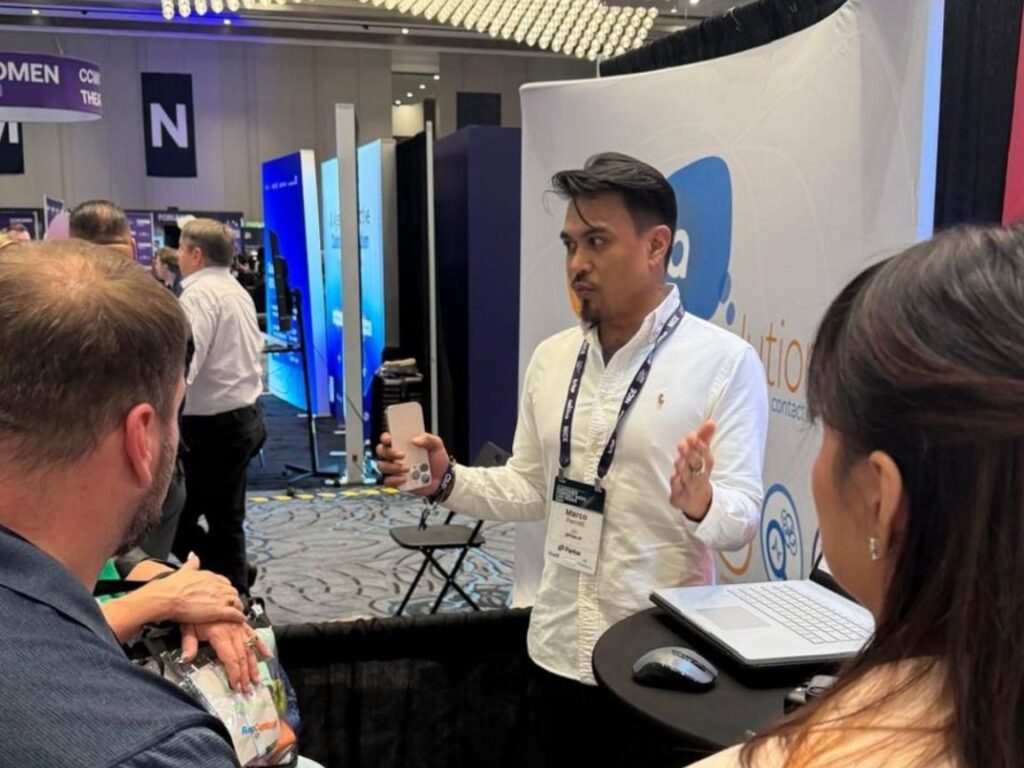
LYRIQ describes AgentConnect as a governed AI orchestration platform that connects company knowledge, AI agents, workflows, business systems and people. Its stated purpose is to bring these elements into one governed operation, rather than requiring a business to replace its core systems as a starting point.
LYRIQ says AgentConnect does not ask companies to switch their CRM, telephony or ticketing platforms. It connects to systems already in use and gives AI agents access to a company knowledge layer when they perform defined work. This makes access, task boundaries and oversight important topics alongside the choice of technology.
According to LYRIQ, a dashboard shows agents in flight, including what is running, what has failed and what each agent costs to run. For decision-makers, the value of that visibility depends on whether the information helps relevant teams understand the deployment and decide what needs attention.
For contact centres, LYRIQ lists live agent coaching, automated quality assurance scoring, an omnichannel inbox and AI agent deployment without code among the platform’s features. These are stated capabilities, not evidence that every feature will suit every operation. Employers can use them to ask which task is in scope, what systems it touches, when a person reviews the work and how failures become visible.
Calling a platform “governed” does not remove the need to define how work is controlled. Employers should discuss what knowledge an agent can use, what it is permitted to do and where a person remains involved. The source article does not set out a universal governance checklist, so these details need to be agreed for the organisation and proposed use.
Set expectations for implementation
Perrott cautions against expecting an instant transformation. He describes implementation as a partnership between provider and company, with both sides working back and forth to deliver results week by week. That puts the emphasis on considered improvements, not a one-off installation assumed to solve a broad business problem.
For employers, a partnership starts by agreeing what the first piece of work is and how it relates to the current workflow. The company needs to explain its systems and processes; the provider needs to describe how the technology connects, what work it supports and where people remain involved. This is a practical way to apply Perrott’s approach, not a promise about implementation timing or outcomes.
A workflow on paper may not capture every operational detail. Teams can review deployment to see what is working, what has failed and what needs adjustment. LYRIQ says its dashboard is intended to show agent activity, failures and running costs. Before expanding a deployment, organisations can agree what they will review and who has responsibility for decisions.
Perrott’s sequence is to understand the technology stack, map workflows, identify where people stay in the loop, then deploy and improve week by week. Employers assessing a proposal can use this as a practical order of questions. If the supplier moves straight to deployment, ask how discovery and human oversight will be addressed; if performance review is unclear, resolve that before proceeding.
His view on commercial expectations is similarly direct: “Long gone are the days where you could just charge a quarter of a million dollars and lock these companies in.” In BPOAI.ai’s feature Optimize, Don’t Redesign, Perrott contrasts that former approach with partnership and ongoing delivery. For buyers, the quote is a prompt to clarify what is included, how the work will be reviewed and how costs will be understood—not a general price comparison across suppliers.
“Let us understand your business and we'll bring the technology to you.”Marco Perrott · CEO, LYRIQ
Build improvement through small gains
Perrott’s vision is that teams across a business, from marketing to operations to finance, can each make a little more progress each week. He describes small gains across departments compounding over the course of a year. The point is the potential value of steady improvement, not a claim that every team will achieve a fixed productivity increase.
That perspective changes the questions an employer asks. Rather than starting with a large-scale transformation, a team can identify a defined task where improvement would be useful and decide how it will assess the change. The task should be specific enough for the people doing the work to describe the current process and notice what changes. It also needs an owner who can judge whether the new arrangement remains suitable.
A shared framework can make this work more coherent across departments. Teams may have different tasks, systems and oversight needs, yet use a common approach to describe workflows, identify human involvement and review deployment. In Perrott’s account, the aim is to reduce duplicated effort and share learning without assuming every department is the same.
For Australian employers considering AI operations, the practical implication is to treat improvement as ongoing work. Start with a process that matters, agree what the technology is expected to do and preserve a way for people to review the work. Use what the team learns to inform the next decision rather than assuming a redesign is necessary or benefits will appear automatically.
LYRIQ’s platform and approach
LYRIQ builds AgentConnect, which it describes as a governed AI orchestration platform for BPOs, accounting practices and enterprises. Marco Perrott is its founder and CEO and is also part of the team behind BPOAI.ai. These details provide context for the source article’s account of the platform; its capabilities and commercial philosophy are presented as LYRIQ’s and Perrott’s.
Employers reviewing a provider can separate stated product design from their own requirements. Ask how a platform would connect with current systems, how the proposed workflow would be bounded and what information will be visible to the people responsible for oversight. The discussion should also establish what the provider means by a successful first deployment and how both sides will review it.
AgentConnect is presented as a way to coordinate knowledge, agents, workflows, business systems and people. That does not mean an employer should assume every element is ready to connect without assessment. Consider the current technology and work practices before deciding whether the platform’s approach is a fit.
Questions for Australian employers
The central lesson is not that every employer needs an AI platform. Technology decisions are easier to assess when they begin with existing systems and the work teams actually perform. Perrott’s account of fragmented departmental experiments points to a management challenge: local pilots can proceed independently, while leaders still need a shared view of governance and learning.
For HR, project and operational decision-makers, the people question belongs in the discussion from the start. Identify which tasks may change, what judgement remains with a worker and what guidance the team may need as processes evolve. Include affected employees in reviews of changed workflows rather than treating the technology decision as separate from day-to-day work. Perrott’s account identifies human involvement as a question to address before deployment, without prescribing a workforce model.
Where recruitment is part of a broader workforce plan, GWS provides information on recruiting and supporting Filipino workers and an overview of hiring Filipino talent. These resources concern recruitment rather than AI implementation, but may be relevant when workforce requirements are part of the same business discussion.
A practical starting brief for an AI proposal can describe the current workflow, the systems involved, the task under consideration, where a person stays in control and how the team will review progress. That gives employers a clearer basis for deciding whether to optimize existing operations, make a targeted change or consider another approach. If your organisation also needs to plan recruitment, contact Global Workforce Solutions to discuss the workforce requirement and the roles your project or operation needs to fill.