
Ike Stranathan: AI Will Reshape BPO, Not Kill It
STAFFVIRTUAL founder Ike Stranathan sees BPO moving beyond labour arbitrage towards people, AI-enabled workflows and output-focused service.
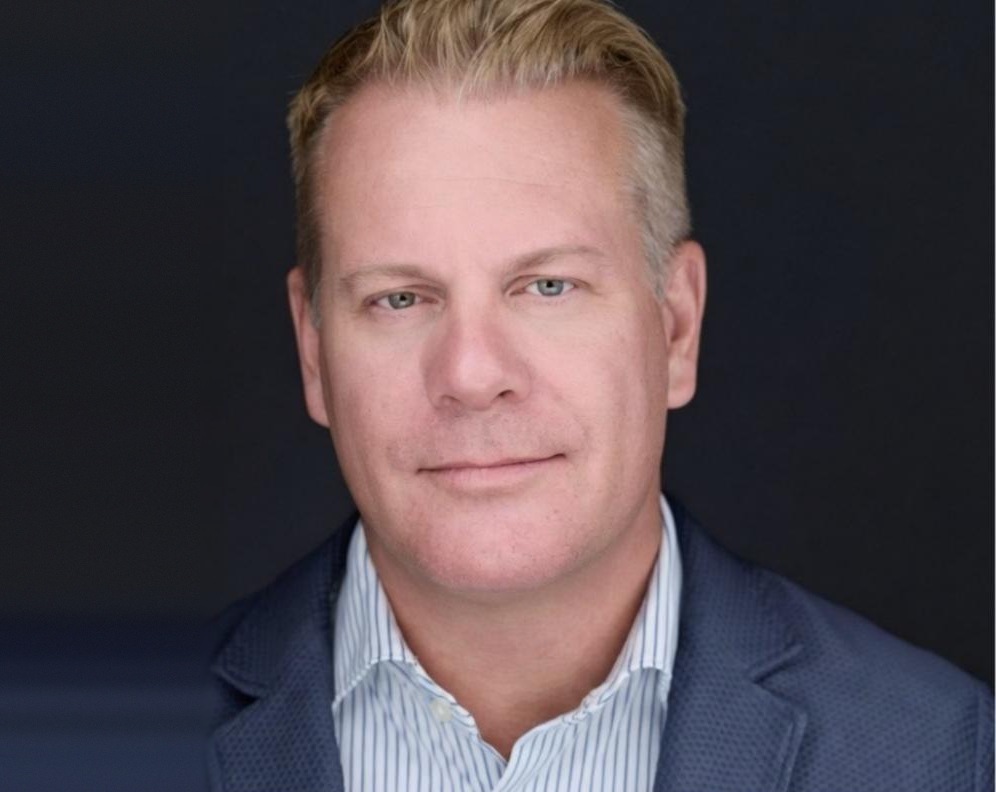
Ike Stranathan says AI will reshape BPO by combining human expertise with automated workflows, rather than eliminating the industry. The STAFFVIRTUAL founder believes providers will need to deliver more than labour: they will need to help people use AI to produce better work and higher output.
Source: Ike Stranathan Says AI Will Reshape BPO, Not Kill It
From FDA compliance to Manila

Stranathan’s path into outsourcing began in a different sector. After graduating from the University of Kansas in 1998, he joined cGMP Validation, where he conducted validation studies for pharmaceutical, biotechnology and medical-device makers. His LinkedIn profile describes a progression into project management and then a regional representative role on the US West Coast, working with clients ranging from major pharmaceutical companies to smaller biotech ventures.
“Measure the work the team can deliver, not just the seats it can fill.”
In November 2009, he founded STAFFVIRTUAL. His move from California to Manila was inspired by Tim Ferriss’s The 4-Hour Workweek and the early entrepreneurs building Filipino outsourcing businesses. He launched the company as a BPO provider and, seventeen years later, remains its chief executive.
STAFFVIRTUAL describes itself as an American-owned outsourcing company based in Miami, with offices and remote talent across the Philippines. Its teams support customer service, back-office and IT work for clients in areas such as legal services, technology, healthcare and e-commerce. The company also says it has developed particular experience supporting managed service providers and law firms.
Stranathan has spoken about the personal demands of building a business after moving to Asia on his own. In a LinkedIn post, he described creating a life and company from scratch as a process driven by an inner voice urging him forward. In another, he said pressure can drive growth and that difficulties may conceal opportunities to make progress.
According to the company’s leadership page, STAFFVIRTUAL has hired more than 2,000 employees since its founding. The company also reports a 98% client retention rate, and says American companies account for 74% of its clients. Those are company-reported figures, rather than independent measures of the wider BPO market. The original BPOAI profile of Ike Stranathan brings together his account of the company’s origins and his view of the industry’s direction.
Building teams for MSPs and law firms
Stranathan’s view of outsourcing comes from working closely with particular client needs. He has described two recurring challenges for managed IT service providers: keeping dependable support available outside standard local hours, and maintaining a consistent flow of sales prospects. For employers considering remote teams, these examples show why role design should start with operational gaps, rather than a general aim to add headcount.
His answer for off-hours coverage is to build trained teams in the Philippines, whose time zone can align with US evenings, nights and weekends. He argues that this can help clients provide round-the-clock service without putting extra strain on domestic staff or paying premium onshore rates. The point is not simply that people are located elsewhere; it is that a team’s schedule and preparation match a defined service requirement.
Australian employers can apply the same operational question without assuming that a US-based example translates directly to every local need. Map when customers require support, what decisions a team member must be equipped to make, and which issues need to be escalated. A useful handoff between people and technology also needs clear ownership; our article on trained people at the AI handoff explores why that matters in a different industry setting.
Choosing who to work with
Stranathan has also written about the importance of choosing clients carefully. He called the decision to work with people he respects, trusts and enjoys being around one of the most significant turning points in his career. That preference speaks to the relationship side of outsourcing: a service arrangement is not only a scope of work, but an ongoing partnership that depends on communication and shared expectations.
For employers, this is a reminder to test the working relationship as well as the proposed service. Discuss how priorities will be communicated, how performance concerns will be raised, and how both sides will handle changes in process. A clear brief helps prospective partners understand the work and the standards expected of the team. GWS has also outlined considerations around engaging Filipino talent; employers should assess requirements for their own roles rather than treating any general benefit as a guarantee.
“AI is not going to kill the BPO industry. It’s going to completely reshape it.”Ike Stranathan · STAFFVIRTUAL CEO
AI will reshape BPO around output per person
Stranathan says the measure of value in outsourcing is shifting. For years, he argues, the conventional model centred on labour arbitrage: finding capable people in lower-cost locations to carry out repeatable tasks. In his view, AI changes the equation because providers can combine a person’s work with tools and redesigned processes, rather than treating labour cost as the primary result. For Australian employers, the claim that AI will reshape BPO is most useful when translated into a defined operating change, not treated as a prediction alone.
He points to accounts of individual software developers using AI to do work that previously took five people, and sees a comparable direction for BPO. His argument is not that every role can be reduced to one person or automated. Instead, he expects providers to be judged more on what their teams can accomplish when people have appropriate technology and workflows behind them.
“The next generation of BPO companies won’t just provide people. They’ll provide AI-enabled people, automated workflows, better data, and dramatically higher output per employee.”
That proposition has practical consequences for employers assessing a service model. A lower cost per seat does not, by itself, explain whether a process is improving. Teams can instead define the work to be completed, the quality standard, where human judgement remains essential and what evidence would show that the workflow is performing as intended. The output measure should fit the service: it could relate to completed work, reliable handling of a defined queue or the quality of information available to decision-makers.
Stranathan made a related point in 2025, writing that while public attention focused on companies including OpenAI, Anthropic and Nvidia, businesses using AI alongside offshore talent could scale more quickly and intelligently. He said STAFFVIRTUAL builds remote teams in the Philippines that are often augmented by AI tools and systems the company helps clients implement. The emphasis is on combining technology and talent, not presenting either as a substitute for the other. In this model, AI will reshape BPO through redesigned tasks and decision support, while people remain responsible for context, judgement and exceptions.
For Australian employers, this is a useful basis for evaluating a proposal: ask what work changes, which tools are involved, who is accountable for decisions and how the team will handle exceptions. Our piece on keeping human service central as AI develops considers a related perspective. For BPO leaders choosing systems, BPOAI’s guide to selecting an AI vendor for a BPO stack offers relevant industry context.
Where he says it is going
Stranathan expects AI to make the distinction between onshore and offshore work less significant as people in both locations use similar kinds of tools. He expressed that idea succinctly: “We will all become cyborgs, onshore and off.” In context, the phrase points to people working with AI as part of their day-to-day roles, rather than a future in which technology makes human contribution irrelevant.
His outlook is consistent with his direct prediction: “AI is not going to kill the BPO industry. It’s going to completely reshape it.” That is Stranathan’s view of the industry, not a certainty about what every provider or job will experience. For employers, the useful question is how a particular service can adapt while maintaining the judgement, communication and accountability its work requires.
He also advises founders to commit through important turning points. Quoting Jim Collins, Stranathan has argued that entrepreneurs can fail to make it because they do not commit fully when it matters most; his conclusion is that being only partly committed is not enough. Applied to business decisions about AI, that suggests moving beyond experiments that have no clear owner or purpose—but it does not mean adopting a tool before its role and risks are understood.
What Australian employers can take from the shift
For Australian HR teams and workforce decision-makers, the central lesson is to assess the work before judging the delivery model. Identify the process that needs attention, the people and skills required, and the points where automation can support rather than bypass human judgement. Then agree how the team will work with internal staff, what a good handoff looks like and how results will be reviewed.
That preparation can also make a workforce brief more useful. Describe the tasks, coverage requirements, expected communication and any systems the team will need to use. Set out the decisions that must remain with a person and the situations that call for escalation. If AI is part of the proposed workflow, ask how it supports the role and how the team will check the work it produces.
These questions keep the focus on service and outcomes instead of treating a remote team or an AI tool as an answer in itself. GWS has explored related workforce considerations in its overview of skills and contributions among Filipino workers. The appropriate approach will depend on the roles, processes and support your organisation needs.
If you are reviewing a recruitment need or considering how an offshore team could support a process, prepare a brief covering the work, required skills, coverage and any AI-related tasks. Contact Global Workforce Solutions to discuss that workforce requirement and the team you need to build.