
Maan Sacdalan’s Nonprofit Digital Career
Maan Sacdalan’s nonprofit digital experience shaped an embedded operations model—and offers employers a reminder to plan for what happens after the tools arrive.

Maan Sacdalan’s career shows how nonprofit digital experience can shape an embedded operations model for mission-driven organisations. Her work spans web design, development, campaigns and databases; the original profile on BPOAI.ai describes how that breadth informs her approach to supporting lean teams.
Source: Maan Sacdalan Brings Two Decades of Nonprofit Digital Work
How Maan Sacdalan connects digital work to mission

For more than 20 years, Maan Sacdalan has designed and developed websites for nonprofits, schools, law firms and digital agencies in the United States and Canada. Her work also included campaigns, donation pages and databases, giving her experience across a project from its first concept through to delivery.
“Plan for the work after implementation, not just the launch.”
These activities are connected parts of a digital programme. Campaigns and donation journeys depend on websites and the data behind them, so a role covering several functions can require more than a single technical skill. For employers, Sacdalan’s breadth is a prompt to define whether a requirement calls for a narrow specialist or someone who can coordinate across related work.
Her nonprofit experience includes Reading Is Fundamental, the American Kidney Fund and Asian Americans Advancing Justice | AAJC. Across these organisations, she managed web development, digital campaigns and online engagement. She has also worked with several platforms from different perspectives, including two years on the Engaging Networks client support team, helping nonprofits with email, advocacy and fundraising programmes. Her platform experience also includes Luminate Online, Raiser’s Edge, netFORUM and Revolution Online.
Since 2018, Maan Sacdalan has led digital production and database management at the National Trust for Historic Preservation. The role has given her experience managing websites, campaigns and data for a national nonprofit with a lean team. That operating context informed the model she later developed with Arbcentrix: providing people who understand mission-driven work and can contribute within a client’s existing environment.
“Big mission, small team. My job has always been making the technology do more so the people can focus on the mission.” For employers, the point is not simply whether someone can operate a platform. Relevant experience can help connect technical tasks to an organisation’s priorities, particularly where a small team has to manage several connected responsibilities.
From nonprofit technology to an embedded model
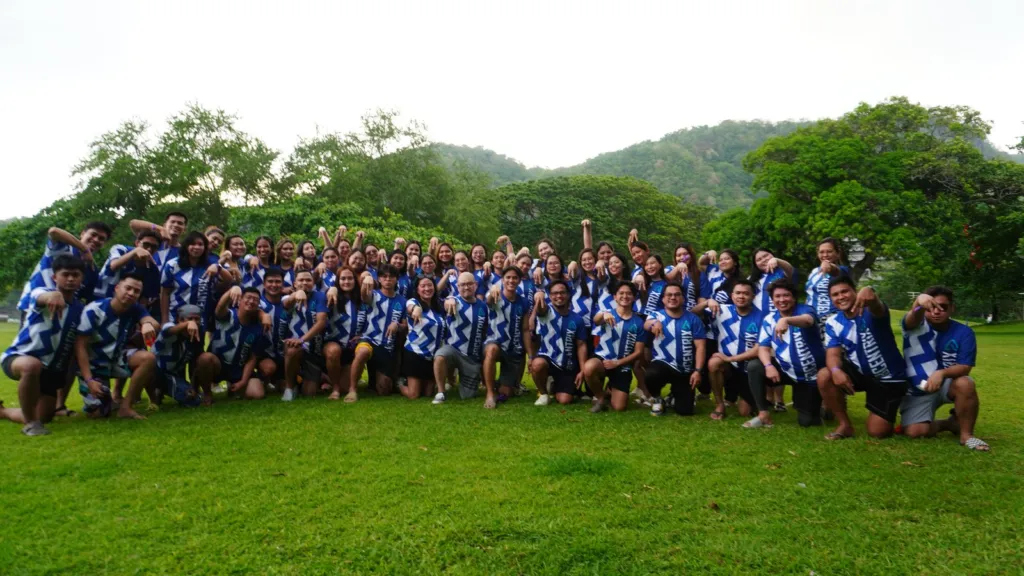
After 20 years of freelancing, Maan Sacdalan co-founded Arbcentrix with lifelong friends Alfred Antonio, now Co-founder and CEO, and Ystevie Ty, Co-founder and COO. The company describes itself as a global operations and business process partner, with offices in the Philippines, California and Washington, DC.
The idea came from Sacdalan’s observation that organisations with important missions can lack the people needed to carry out their work. Arbcentrix’s stated response is to place embedded professionals across finance, marketing, customer care, fulfillment, property management and recruitment. Its Philippine team operates from the Savya Financial Center in ARCA South, Taguig; the company describes the office’s operations as running 24/7.
The model is presented as ongoing support within client operations, rather than only delivering a standalone project and stepping away. Employers weighing these options can first define whether they need a specific project completed, continuing support within established workflows, or a combination. GWS’s guide to international recruitment provides a broader starting point for organisations considering global talent needs.
Maan Sacdalan’s experience across design, development, campaigns and databases underpins Arbcentrix’s broader operations proposition. For a workforce decision-maker, useful questions include how the work will be scoped, how a professional will relate to the client team and which responsibilities remain with each side. Clear answers help distinguish a service description from a workable role and delivery arrangement.
Making the working relationship tangible
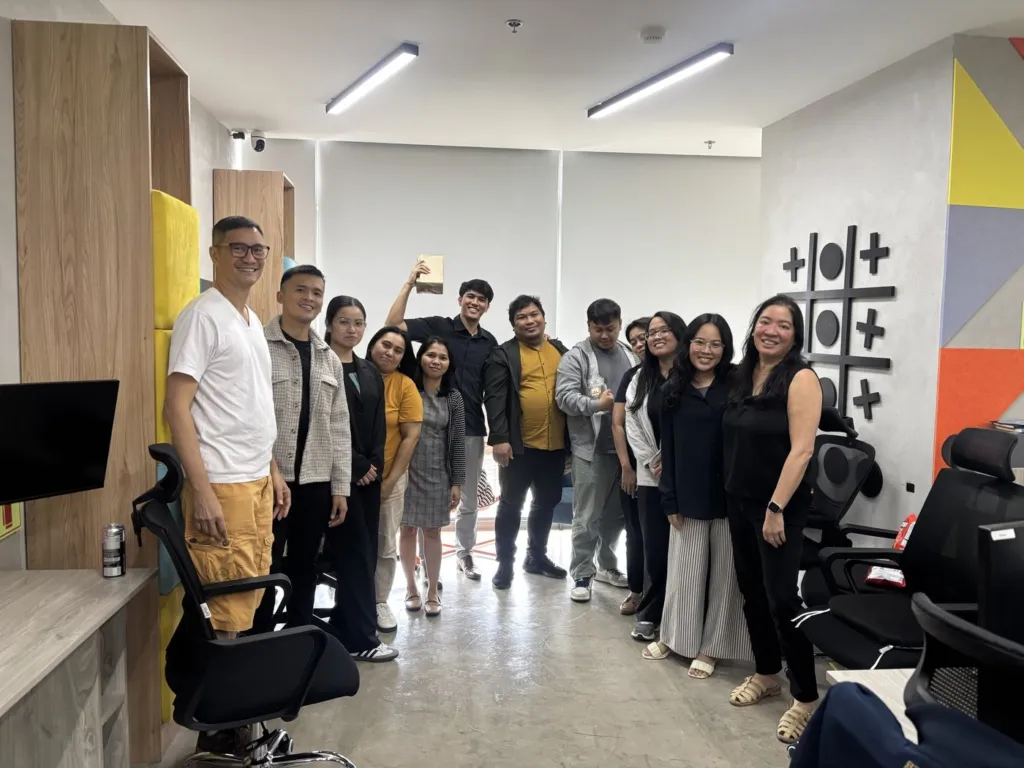
Maan Sacdalan says the Philippine team is fundamental to why Arbcentrix was established. She wanted to connect what she sees as the Filipino work ethic with the mission-driven organisations she has spent her career supporting. That motivation places the team and its relationship with clients at the centre of the company’s story.
Arbcentrix says it has experience with Engaging Networks, a platform Sacdalan has worked with for years, and offers AI and automation work intended to reduce repetitive tasks. These are descriptions of the company’s work, not a guarantee that adopting a platform or automation will produce a particular result.
The company describes its team as working in the same Engaging Networks account, Slack channels and deadlines as the client. That makes “embedded” more tangible: the intended work takes place within existing tools and communication routines, rather than at a distance from them.
Employers assessing a similar arrangement should discuss access, communication, task ownership and escalation before work begins. Who sets priorities? How will internal context be shared? Who reviews work and resolves blockers? Establishing those details helps make the working relationship clear and supports a smoother handover between an organisation and its workforce partner.
Sacdalan says, “I started Arbcentrix because I believe in the Filipino work ethic. Our team treats every client’s mission like it’s their own.” Employers can ask how that commitment translates into role expectations, everyday communication and shared priorities. GWS’s overview of hiring Filipino talent offers related context for employers considering Philippine-based workforce options.
“Nonprofits don't need another vendor. They need people who already get the work and can jump in.”Maan Sacdalan · BPO.AI, November 2026
What matters after the tools arrive
Maan Sacdalan also co-leads Stratovation Partners with Eric Rubin and Ben Childers. The firm advises mission-driven organisations and nonprofits on growth and expansion strategy, AI adoption, futures design and organisation design. Its work looks beyond technology selection to how an organisation might operate as its needs change.
Stratovation’s view of AI adoption focuses on what follows the launch of a tool. The firm argues that adoption itself is the easy part; the consequential work is deciding how decisions will be made and where any capacity released by the tool should go. That brings organisational practice into the conversation alongside the technology.
This distinction matters to employers considering automation. A process may involve fewer repetitive steps, but that does not decide how the organisation should use the time or capacity made available. Teams need to identify which work should receive that attention and how any change fits with existing responsibilities. These are planning questions, not outcomes to assume in advance.
Maan Sacdalan’s reflection comes from nonprofit work, where staff time is a scarce resource: “The tool is the easy part. The real question is what your team does with the hours you get back.” The measure of an automation project, in this view, extends beyond the launch to the decisions that follow.
For HR and project teams, this means deciding where any released capacity is intended to go before implementation. It might support existing work, make room for a new priority or change how tasks are divided. A clear purpose gives the team a basis for assessing whether the tool is serving its intended role, without assuming every organisation should use it in the same way.
Where the work is heading
Maan Sacdalan continues to work with clients who first engaged her during her freelance years and continues her nonprofit work in the United States alongside her roles with Arbcentrix and Stratovation Partners. On her website, she says she looks forward to growing, innovating and delivering creative solutions for the organisations she serves.
The lesson she offers BPO leaders comes from watching small nonprofit teams stretch their time: before introducing AI into a client workflow, know where the recovered time is intended to go. Technology decisions are tied to an organisation’s priorities and its capacity to act on them.
“Nonprofits taught me that capacity is everything. If you give a team time back, help them spend it on the mission.” The emphasis is on helping a client put any change to purposeful use, rather than treating a tool’s arrival as the end of the work.
Maan Sacdalan’s experience also highlights the value of continuity. A professional who understands the platforms, routines and purpose behind a task can have a more informed discussion about what needs to change and what should remain consistent. This is a perspective from her career and the model Arbcentrix describes, not a guaranteed result for every organisation.
Turning the example into an employer brief
For Australian employers, Maan Sacdalan’s example is a reminder to define the work before deciding how to resource it. A request for digital support might involve website delivery, campaign activity, donation pages, databases or ongoing platform work. Naming the responsibilities helps an organisation assess whether it needs a project specialist, continuing operational support or a combination of capabilities.
Be just as clear about how an external professional would work with the internal team. If the role depends on existing accounts, channels and deadlines, discuss those routines in advance. Identify who sets priorities, provides context, reviews work and makes decisions. These foundations support collaboration when a professional is expected to join an established process.
Connect the workforce decision to the outcome sought. The account of Sacdalan’s work places capacity at the centre: the value of a tool or additional support depends on what the organisation can do with the time and capability it gains. Identify which work should receive attention and how the team will review progress, without assuming a technology or staffing model will deliver a fixed result.
Finally, match the partner conversation to the organisation’s actual need. GWS’s international recruitment guide can support broader global talent planning, while its employer overview of outsourcing to the Philippines offers a related perspective. Lead with a clear brief covering the work, required experience, collaboration arrangements and intended outcome.
The practical next step is to prepare a workforce brief listing the tasks, systems, team routines and organisational priority the support should address. Contact Global Workforce Solutions to discuss that requirement and the recruitment or workforce approach that may suit your team.