
Planning a Skilled Welding Workforce in Australia
Plan welding recruitment around the work, verifiable trade capability and the support needed for safe, effective integration.
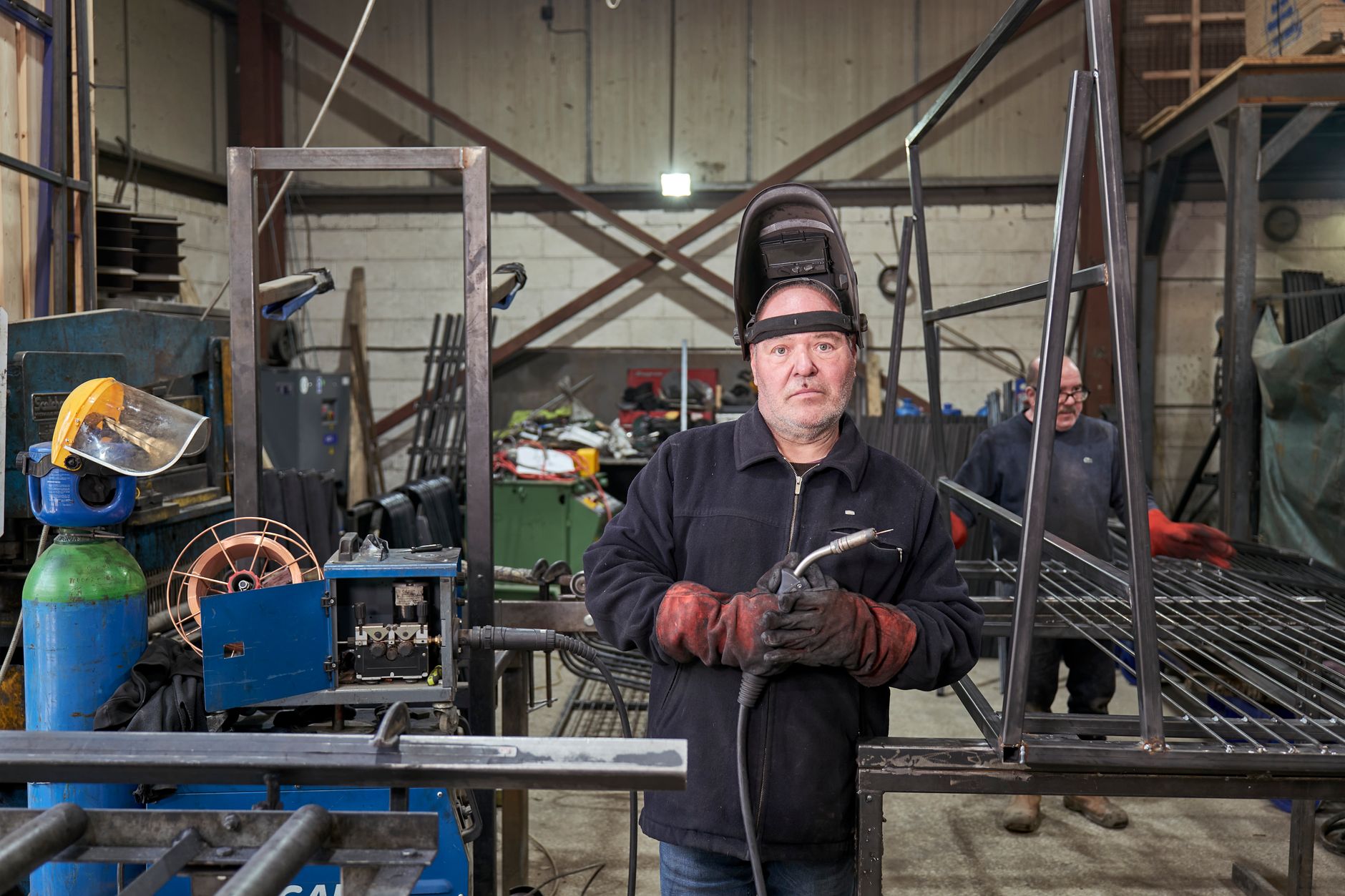
Filipino welder recruitment can help Australian employers build a considered approach to filling welding roles when local hiring alone is not meeting a defined workforce need. The process works best when employers specify the work, assess practical capability against consistent criteria and plan employment and mobilisation before making commitments.
When international recruitment fits a workforce plan
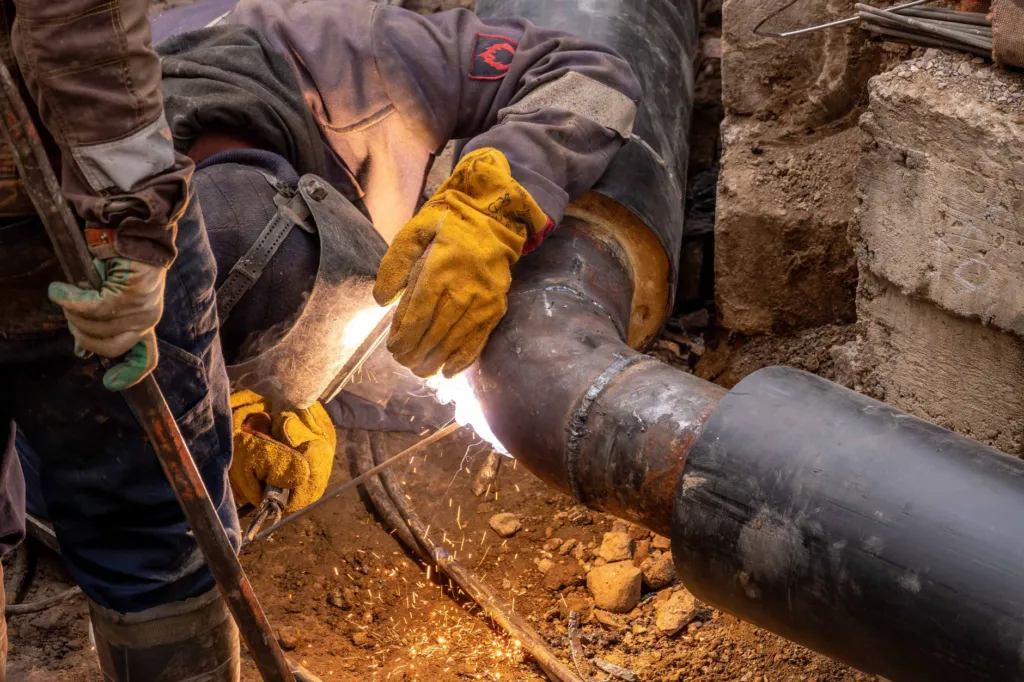
Recruiting internationally should follow a clear assessment of the work ahead, not be a substitute for understanding the role or the project. Employers can begin by reviewing current and forecast work, the skills required for each work package, the availability of existing staff and local recruitment efforts. This helps establish whether an international search is appropriate and what capability it needs to add.
“Clear expectations are part of a safe and consistent start.”
For project teams, timing and location matter alongside trade capability. A workshop role, a construction project and work at a remote site may involve different rosters, supervision arrangements, travel expectations and accommodation considerations. Describe these conditions accurately from the outset, including any changes that may occur as the project progresses. Candidates need enough information to assess whether the opportunity suits them, and hiring teams need a realistic basis for comparing applicants.
Employers should also decide how a new hire will fit within the wider crew. Consider the level of supervision available, how work is allocated and who will support site induction and communication. Regional businesses may find it useful to consider the workforce and integration issues in this guide to international recruitment for regional employers. A broader workforce plan can help keep recruitment decisions connected to practical operating needs.
Define the work before writing the brief
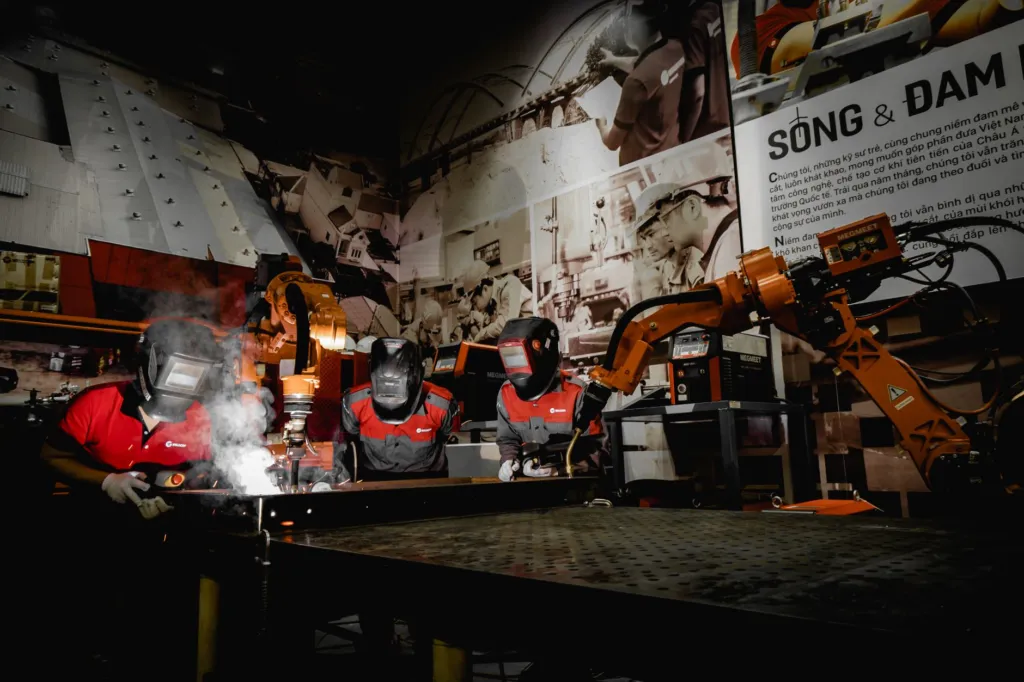
A useful hiring brief describes the work a welder will actually perform, rather than relying on a broad trade title. Set out the products or structures involved, the materials and processes relevant to the job, the expected finish and any inspection or documentation requirements. Include the drawings, specifications and quality procedures the worker is expected to follow, as well as the tools and equipment they will use.
Separate essential requirements from preferences. For example, distinguish a capability needed from the first shift from one that can be developed through site-specific training. Record the required tickets, licences or qualifications for the particular work, then determine how you will verify them. Do not assume that a credential from another country has an automatic local equivalent; confirm requirements for the role and relevant work environment with appropriately qualified advisers or authorities.
Be specific about employment conditions too. Give candidates a clear picture of duties, location, roster, reporting arrangements, remuneration structure, accommodation or transport arrangements where relevant, and the expected start window. Avoid describing terms as settled if they are still being reviewed. Clear information supports a fair assessment of mutual fit and reduces the risk of different expectations emerging after selection.
These details also help recruiters keep Filipino welder recruitment aligned with a consistent profile instead of making assumptions based on job title, nationality or years in a trade. GWS’s guide to hiring Filipino talent covers the employer planning process, from defining a role and assessing capability to preparing for arrival and supporting the working relationship.
Build an evidence-led selection process for Filipino welder recruitment

A strong selection plan turns the brief into evidence-based assessment. Filipino welder recruitment should not depend on a CV, an informal conversation or an unverified claim alone. Decide in advance which evidence will demonstrate each essential requirement: work history, examples of completed work, trade documents, technical questions, references and a practical assessment may each contribute a different part of the picture.
Use the same core criteria for every applicant being considered for the same role. A structured interview can explore how a candidate interprets drawings, prepares work, checks quality, responds to a defect and communicates when a specification is unclear. Ask for specific examples and follow up on the candidate’s personal contribution, rather than treating a team project as proof of individual skill. Keep notes against the criteria so the decision can be explained and reviewed.
Plan the practical assessment around the real job and make its purpose clear to candidates. It should allow assessors to observe relevant technique, preparation, safe work habits and attention to the required finish. The test must be suitable for the role, supervised appropriately and applied consistently. Do not ask applicants to complete productive work without appropriate arrangements, and ensure the assessment environment and equipment are suitable for the task.
Trade assessors should know what they are measuring and how results will be recorded. If a candidate has a gap in one area, distinguish a critical requirement from a skill that can reasonably be developed through induction or supervised training. This helps the employer make a sound decision without overstating what a short test can establish. It also makes it easier to identify any training, familiarisation or support needed after arrival.
“A sound recruitment decision starts with the work to be done, not the job title alone.”Key insight · Global Workforce Solutions
Assess trade capability and site readiness
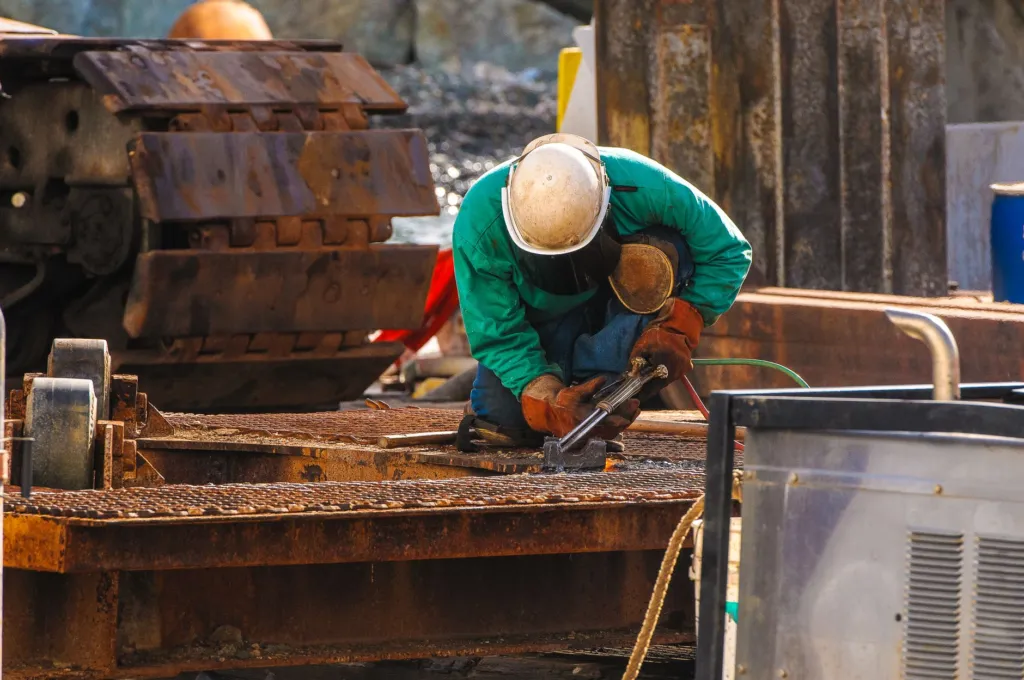
Welding capability is only one part of readiness for a job. Employers should check how the candidate works within a quality system, follows instructions and manages changes to a task. Explore their experience with relevant materials, joint preparation, position, equipment and inspection expectations, but match every question to the actual work rather than using a generic checklist. Ask the candidate to explain their reasoning, not simply confirm that they have used a process before.
Safety should be assessed as observable practice as well as knowledge. In a practical exercise, look at preparation, use of required protective equipment, housekeeping and the candidate’s response to a hazard or an unclear instruction. Explain the site rules and reporting channels that apply in the job being offered. A candidate’s familiarity with one workplace’s procedures should not be assumed to mean they already know the systems at a different employer or Australian site.
Communication is part of safe, reliable work. Assess whether the candidate can clarify an instruction, report a quality concern and raise a concern about changing conditions. This does not require judging people against an abstract idea of a perfect communicator; it means checking that the communication demands of the role are understood and that suitable workplace support is available. Where technical documents or site terminology are important, make those expectations explicit during selection.
Check references and documents through a consistent process, with the candidate’s knowledge and appropriate handling of personal information. Record what was verified, what remains to be confirmed and who is responsible for each follow-up. For employers considering the broader risks, this overview of common international recruitment mistakes highlights the value of early checks, clear terms and thoughtful workforce support.
Plan employment, compliance and mobilisation
Selection is not the point at which employers can stop planning. Before making commitments, confirm which employment conditions, checks and approvals apply to the specific role and proposed arrangement. Immigration rules and work rights depend on the circumstances, so employers should consult the Australian Department of Home Affairs for official information and obtain qualified advice where needed. Do not promise a visa outcome, a start date or a particular pathway until the relevant requirements have been assessed.
Build a mobilisation plan that names the tasks, owners and dependencies. It can include document verification, employment paperwork, required clearances, travel coordination, accommodation planning, site access and induction. Some tasks may depend on decisions or approvals outside the employer’s control, so communicate what is confirmed and what is still pending. Candidates should receive timely updates and a clear contact for questions rather than having to infer progress from silence.
Set out the employment terms in a form the worker can understand before they accept. Cover duties, pay arrangements, hours, roster, location, leave, reporting lines, applicable policies and the process for raising questions or concerns. Employers should verify their obligations for the specific arrangement and make sure that recruiters, managers and site supervisors are communicating consistent information. If conditions change, explain the change directly and deal with it through the appropriate process.
Use reliable workforce information when testing the wider hiring rationale. Jobs and Skills Australia provides official Australian labour-market and skills information that employers can consider alongside their own recruitment records and project forecasts. It should inform, rather than replace, a role-specific analysis of the work, available applicants and workforce options.
Set new starters up for safe, steady integration
Arrival and the first weeks on site deserve the same care as candidate selection. Assign a supervisor or other named contact who can explain local procedures, answer practical questions and check how the worker is settling into the work. Cover site access, emergency arrangements, safety reporting, quality expectations, equipment, work allocation and how to get help. Do not rely on informal word-of-mouth to communicate information that is important for safe or consistent work.
Make induction relevant to the person’s actual work and confirm understanding in a respectful way. Demonstrations, task walk-throughs and opportunities to ask questions can help a new starter become familiar with the employer’s processes. Supervisors should make clear who can authorise changes to a job and what to do if a drawing, instruction or site condition is unclear. Early feedback should be specific, two-way and connected to the role criteria used during selection.
Integration also depends on workable day-to-day conditions. Check that roster expectations, transport, accommodation and access to site information align with what was explained during recruitment. Invite feedback on obstacles that may affect attendance, safety or performance, and act on issues through the right channels. Consistent support is not a substitute for clear standards; it gives workers a fair opportunity to understand and meet them.
Review the recruitment outcome with project and HR teams after the worker has settled into the role. Compare the original requirements with observed capability, training needs, retention and supervisor feedback. Use what you learn to improve the next brief and selection process. For employers planning a wider programme, this guide to international recruitment and skilled workforce planning can help frame the work from sourcing through integration and review.
The practical next step is to prepare a workforce brief covering the work, essential capabilities, employment conditions and mobilisation considerations, then discuss the requirement with Global Workforce Solutions. A clear brief gives the hiring team a more useful starting point for assessing whether international recruitment is appropriate and how to plan it responsibly.